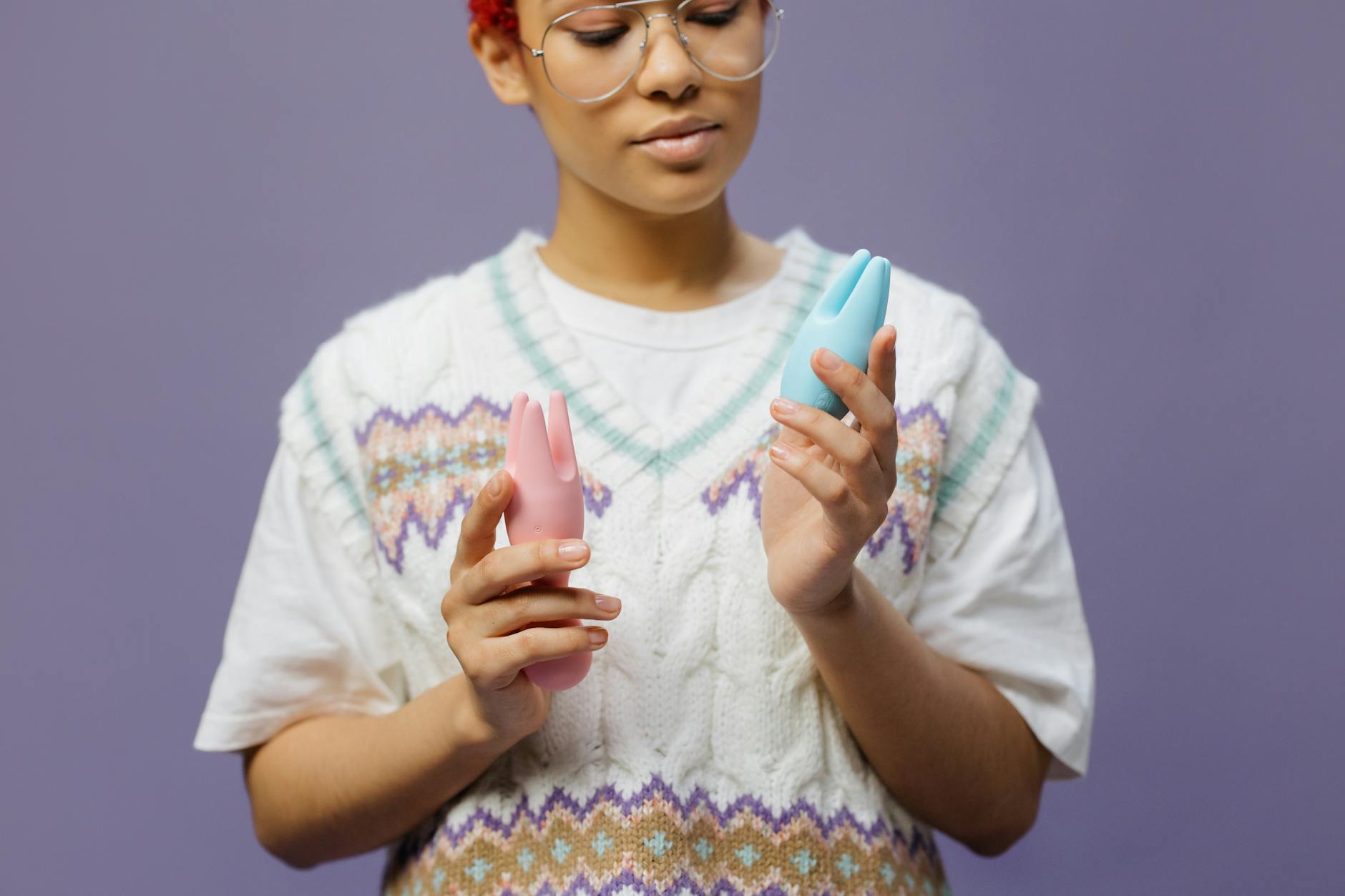
How to Know If a Lemon Vibrator Is Right for Your Body Type
Let's be real: the internet sells lemon vibrators like they're magic wands that work for everyone. They don't. Some bodies absolutely light up with a suction-based clitoral vibrator. Others find them uncomfortable, overstimulating, or just plain wrong for their anatomy. The difference isn't about being broken. It's about fit.
I've worked with hundreds of people navigating pleasure, and the pattern is always the same. The most satisfied customers aren't the ones with the most expensive toys. They're the ones who picked something that actually matched their body's needs. So before you drop $89 on a lemon vibrator, let's figure out if it's genuinely the right call for you.
Who gets the most from suction vibrators
Suction-based clitoral vibrators like the Lem work through a specific mechanism: gentle pulsing air pressure that creates a seal around the clitoris, rather than direct contact friction. This matters because certain body types respond more dramatically to this sensation than others.
If you have a retracted or internal clitoris (meaning it sits mostly under the hood and doesn't protrude much), suction vibrators are often your best bet. The seal created by a lemon vibrator draws the clitoris out gently, making stimulation possible even if direct touch doesn't work well for you. People with this anatomy often describe suction as finally having access to sensation that was always there but unreachable.
You're also likely to get a lot from a lemon sexual toy if your clitoris is sensitive to direct pressure or friction. Some bodies don't enjoy the vibrating buzzing sensation against exposed tissue—it feels overwhelming or even painful. Suction distributes sensation differently, creating broad, rolling waves of pressure rather than concentrated point stimulation. Many people with vulvodynia or general clitoral sensitivity report that suction vibrators are the only toys they can use comfortably.
Size also plays a role here. Lemon vibrators are relatively compact—about the size of a ripe lemon, hence the name—which means they're easier to position precisely if you need very specific angles or pressure points. If your pleasure responds to really targeted, particular stimulation, that precision matters.
The body types where suction can feel mismatched
Now for the honest part that nobody wants to say out loud: lemon clitoral vibrators aren't optimal for everyone, and that's completely fine.
If you have a very prominent or externally positioned clitoris, you might find that suction vibrators create a seal that's either too intense or doesn't feel right against your particular anatomy. Some people describe it as the sensation being "off center" or uncomfortable when the toy pulls tissue in a direction that doesn't match their body's shape. Direct vibration toys or wand vibrators often work much better for this anatomy because they offer more control over pressure and direction.
You might also find lemon vibrators disappointing if your arousal response relies heavily on direct, sustained vibration rather than pulsing patterns. Some nervous systems just don't respond as well to suction. They want buzz. If you've used other vibrators and found yourself gravitating toward the highest vibration setting and continuous modes, a suction toy might feel too gentle or too rhythmic for what your body actually craves.
There's also a practical consideration: if you find yourself needing a lot of lubricant for comfortable sex or have naturally drier tissue, suction vibrators require a good seal to work effectively. More lube can make that seal harder to maintain, which means the toy stops working the way it's designed to. If that's your body, a traditional vibrator might be more reliable for you.
What your sensitivity tells you
Sensitivity is one of the clearest predictors of whether a lemon vibrator will feel amazing or frustrating. Not everyone with sensitive tissue reacts the same way, though, so let's break this down.
If your clitoris gets overstimulated quickly—meaning sensation that felt good five minutes ago now feels too intense or even painful—suction vibrators can actually help. Because they work through pulsing rather than constant vibration, you can control the rhythm and take breaks without losing the seal entirely. Many people find this rhythm-based approach lets them extend playtime without hitting that overstimulation wall.
But if your sensitivity means you need lighter touch overall, the lemon vibrator's initial intensity might be the problem. Even on the lowest setting, some bodies find it more stimulation than they can comfortably handle, especially early in arousal. In that case, you'd benefit more from a toy with variable intensity that can go genuinely gentle, or something like a mini wand where you control pressure by how firmly you hold it.
Tissue thickness and changes over time
Here's something that doesn't get discussed enough: your body changes, and what worked beautifully five years ago might feel different now. This is especially true around hormonal shifts.
Thinner vaginal tissue (which can happen after menopause, during certain phases of hormonal birth control, or as a natural variation) responds particularly well to suction vibrators. The sealed pressure is gentler on delicate tissue than direct friction vibration would be. If you've noticed your tissue feels thinner or more fragile than it used to, a lemon clitoral vibrator often becomes more comfortable, not less. This is why so many people report discovering lemon vibrators during perimenopause or menopause and wondering why they didn't know about them earlier.
Conversely, if you naturally have thicker tissue or you're in a life phase with higher estrogen (like early-cycle menstrual phases), you might find suction vibrators less necessary. Direct stimulation might feel more satisfying because your tissue can handle more robust sensation. That's not better or worse, just different.
How to actually test before buying
Okay, so you can't exactly test-drive a vibrator in the store. But you can get clues from your past experiences.
Think about every other toy or sensation you've enjoyed. Did you love the Hitachi wand's broad, shallow vibration, or did you find it overwhelming? Did you prefer direct clitoral stimulation, or did you like more diffuse pressure? Have you ever used a finger vibrator or a couples' vibrator on yourself? What felt best?
If you've used air-pulse toys before (some people have tried them at friends' places or in other contexts), did you like the sensation? That's honestly the best predictor, because suction vibrators work on the same fundamental principle, just executed differently.
You can also pay attention to partner touch. When a partner uses their fingers or mouth on you, do you prefer very precise, focused stimulation, or broader pressure? Do you like sustained sensation, or does rhythm matter more? Those preferences usually translate to toy preferences.
If you're still unsure, our buying guide breaks down the different toy types and which bodies they suit best. Or honestly, reach out. Hello Nancy isn't just selling toys. We actually want you to pick something you'll love.
The permission piece
Here's what I see most often in my practice: people buy a lemon vibrator because they read that it's amazing, use it once or twice, and then feel weird about it not being their favorite. Then they think something's wrong with them.
Nothing is wrong with you. Different bodies have different pleasure maps. A lemon sexual toy is brilliant design, and it's also brilliantly designed for a specific kind of nervous system and anatomy. If that's you, you'll know almost immediately—pleasure feels effortless and deep. If it's not you, that's equally valid information. You're not failing at pleasure. You're just shopping in the wrong section.
The goal isn't to find the toy that works for everyone. It's to find the toy that works for your body, your sensitivity, your arousal pattern, and your actual life. That toy might be a lemon vibrator. It might be something else entirely. Either way, you deserve to know before you buy.
FAQ: Finding Your Right Toy
What if I have a very small clitoris—will a lemon vibrator still work?
Size variation is totally normal, and yes, smaller clitorises can absolutely work beautifully with lemon vibrators. The seal adapts to your anatomy. What matters more is whether your clitoris responds well to suction sensation versus direct vibration. A smaller clitoris that loves suction will light up. A smaller clitoris that prefers vibration won't. Test your response to suction toys if you can, or start with something designed for gentler stimulation if you're unsure.
I've never had an orgasm from any toy. Should I try a lemon vibrator?
Maybe, but honestly, the toy might not be your limiting factor. Orgasm comes from a combination of factors: arousal level, mental focus, comfort with your body, stress levels, and the right physical stimulation. Sometimes someone needs permission or a conversation with a partner more than they need a new toy. That said, if you haven't tried suction before, it's genuinely different enough that it might unlock something for you. Just know it might not be the toy—it might be the conditions around using it.
Can you use a lemon vibrator if you have a lot of natural lubrication?
Absolutely, but you might notice the seal doesn't feel as strong. That's not bad—just different. Some people with higher natural lubrication find that they can use suction toys just fine, but they prefer adding a silicone-based lubricant to boost the seal sensation. Others find that too much lube is too much, period, and prefer a different toy type. Experiment with what you like, but extra lubrication doesn't disqualify you from trying a lemon clitoral vibrator.
What if a lemon vibrator feels good but not amazing—should I keep trying?
Yes, but only if you're genuinely curious. Pleasure often takes time to develop. New sensations feel weird at first. If you're a few weeks in and it's pleasant but not electrifying, give it a month. If after a month it's still just okay, that's probably your answer—it's not the one for you, and that's fine. You don't owe any toy your loyalty.
Are lemon vibrators better for people with anxiety or trauma?
Some, yes. The sealed, contained sensation of suction can feel more emotionally manageable than the intensity of traditional vibrators. The rhythm-based pulsing can also be grounding rather than overstimulating. That said, anxiety and past trauma are complex, and sometimes what helps is less about the toy and more about the context—privacy, trust, time, lack of pressure. A lemon vibrator might be part of the picture, but it's not a substitute for feeling safe in your body and your space.
How do I know if my sensitivity is about the toy or about arousal level?
Great question. If something feels intense or uncomfortable within the first minute of play, it's probably the toy. If it feels fine for five minutes and then suddenly too much, that's more likely an arousal plateau or overstimulation pattern. You can test this by stopping when it starts to feel uncomfortable, waiting a few minutes, and starting again. If the sensation feels manageable the second time around, the toy is working fine—your body just needs rhythm or breaks. If it stays uncomfortable, the toy intensity might genuinely be too much for you.
What matters most
Every body deserves a toy that feels like it was designed for them, not a toy that requires them to adapt. Before you buy a lemon vibrator, spend five minutes honestly assessing what you actually respond to. Are you drawn to suction-based sensation or traditional vibration? Do you prefer broad pressure or precise stimulation? Do you like rhythm-based pulsing or sustained intensity?
If you answer suction, precise, and rhythm, a lemon clitoral vibrator is probably going to be your person. If you're unsure, that's normal—pleasure takes exploration. Just know that Hello Nancy is here if you want to talk through it. Your body deserves to feel good, and the right toy makes all the difference.