Let's talk about the timing
Introducing a lemon vibrator early in a new relationship can feel risky. You worry he or she might think you're not satisfied. Or that you're moving too fast. Or that you're asking for something they can't give you. Here's what I know after two decades of couples work: none of those fears are actually about the vibrator. They're about feeling safe enough to want pleasure together.
The best time to mention it isn't on date three. It's also not after six months when you're comfortable. It's when both of you have started talking about what you actually want in bed, not what you think you're supposed to want.
Why new partners need a different conversation
If you've been with someone for years, introducing a lemon clitoral vibrator is usually a simple logistics conversation. You already know their sensitivities. You've probably already had awkward moments that taught you how to talk about sex.
With someone new, every word carries weight. They're still forming assumptions about you, your desires, your body, and what you expect from them. A casual "Hey, I want to try my lemon vibrator" might land as "I don't think you're enough," even if you didn't say that.
That's not because your new partner is insecure. It's because vulnerability is still foreign. You haven't yet built the trust scaffold that lets people hear "I want something different" as "I want us to experiment together" instead of "You're failing me."
The script that actually works
Here's what I recommend saying, roughly:
"I really enjoy being with you, and I want to explore more together. I have something that helps me feel pleasure differently, and I've been thinking about whether you'd want to try it with me. No pressure at all. I just think it could be fun for both of us."
That sentence does three things:
- It affirms the current relationship ("I really enjoy being with you").
- It frames the tool as collaborative ("with me," not "instead of you").
- It removes pressure ("No pressure at all").
Notice what it doesn't do: it doesn't apologize, it doesn't over-explain why you want this, and it doesn't make it about his or her performance.

Photo by FounderTips on Pexels
What to do if they say no
Some new partners will hesitate. "I don't know... will you still want me?" or "I've never done that before" or just silence.
Honestly, this is valuable information. Not because they're wrong to feel hesitant, but because how they handle hesitation tells you something about whether you two can grow together.
If they say no but stay curious ("Tell me more about it"), that's a green light. Curiosity means they're not locked into one way of doing things.
If they say no and shut down the conversation, that's also information. Some people have strong beliefs about sex toys, and that's fair. Your job isn't to convince them. Your job is to decide if you can live with that boundary. Some people can. Some can't. Both are okay.
The first time you use it together
Don't make it the main event. The worst setup is: "Let's dedicate tonight to trying the lemon vibrator." That's too much pressure. Instead, weave it in naturally.
You might be in foreplay, things are going well, and you say, "Want me to grab it?" or simply reach for it if you've already warned him or her it's coming. The goal is casualness, not ceremony.
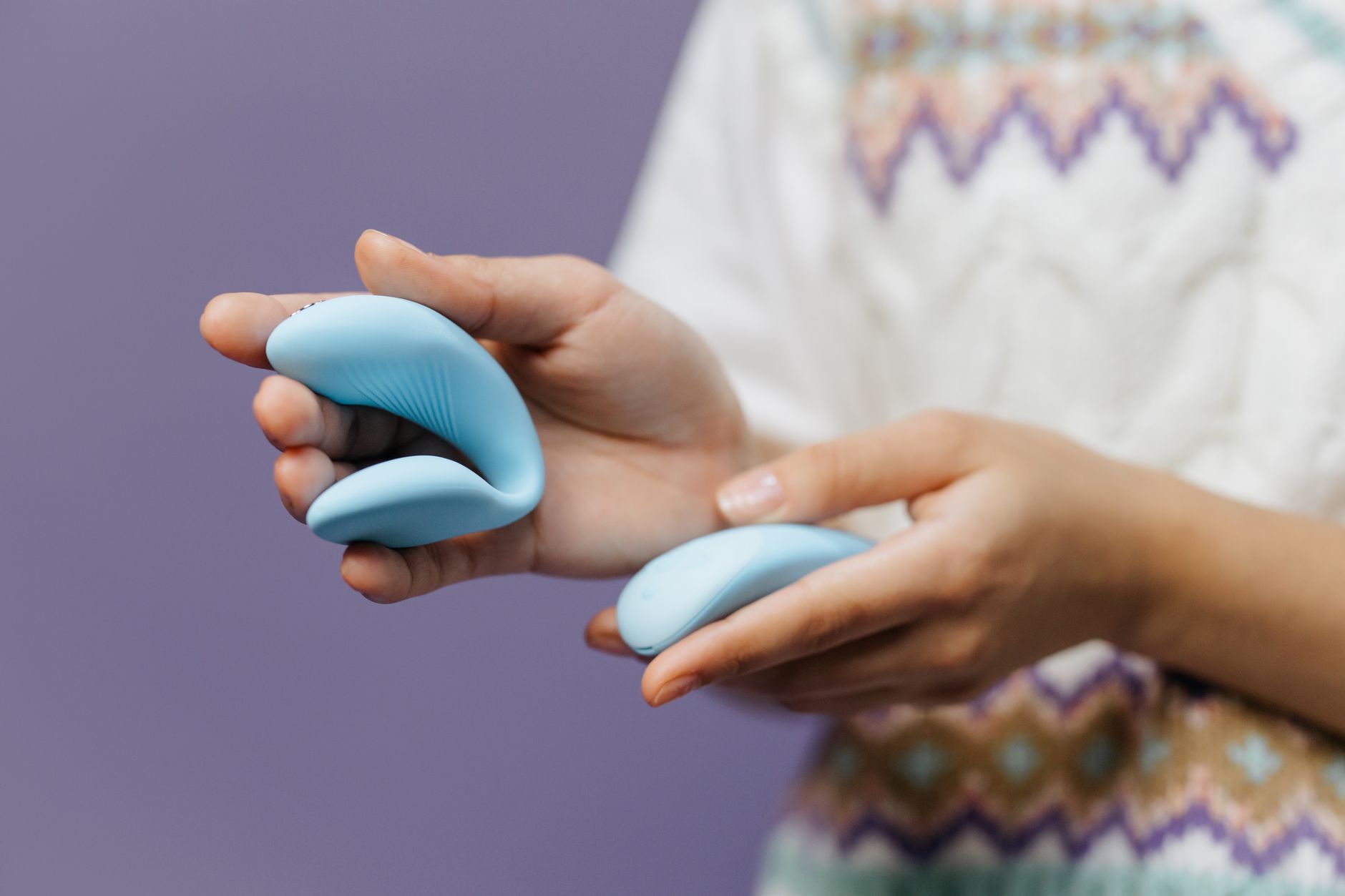
Let your partner see it first. A lemon clitoral vibrator like the Lem has a specific aesthetic that's less intimidating than a traditional vibrator shape. Most new partners are surprised by how small it is, how pretty it looks. Let that moment happen.
Then explain how it works. "It uses suction instead of vibration, so it feels really different. The pattern changes when I press the button." You're giving him or her agency to understand it, not surprise them with sensation.
Your role and their role
Here's where communication matters most: clarify what you both want to happen.
Do you want him or her to operate the lemon vibrator on you? Do you want to use it yourself while they do something else? Do you want to take turns experimenting?
These questions might sound awkward out loud, but they prevent resentment later. I've worked with couples where one person felt abandoned because their new partner wanted solo control. I've worked with others where the partner felt pressured because they didn't realize they were expected to "know how."
Just ask: "Do you want to try using it on me, or do you want me to show you how it feels first?"
The pleasure paradox
Here's what happens with most new couples: the person with the lemon vibrator gets so focused on whether their partner is okay with it that they forget to actually enjoy it.
You're watching his or her face for signs of judgment. You're monitoring your own pleasure through a filter of "Is this weird?" Instead of just feeling good, you're performing being comfortable.
That's the moment to pause. Literally. "I'm in my head. Give me a second."
A partner who's worth exploring with will understand. They'll wait. They'll ask what you need. This is what trust-building actually looks like.
Once you relax, the experience shifts. Your body responds differently when you're not braced for rejection. Your orgasms are often stronger. Your partner sees you actually present and enjoying something, which is wildly attractive to most people.
What happens after
Don't make it weird by being overly grateful or apologetic. "Thank you so much for letting me..." sounds like you're asking permission for your own pleasure. You're not.
Instead, try: "That was really nice. I liked sharing that with you." Simple. Present. Reciprocal.
If it went well and felt good, you can casually mention the lemon vibrator again in future sessions without a big preamble. It becomes a normal part of your toolkit, like foreplay or a particular position.
If your partner seemed interested but uncertain, check in a day or two later. "What did you think?" Not in a needy way, but genuinely curious. Some people need processing time. They might say, "I was nervous, but I actually really liked it."
The conversation underneath the conversation
What you're really doing when you introduce a lemon clitoral vibrator to a new partner is testing something bigger: can we talk about what we want? Can we try something unfamiliar together? Can we be honest without judgment?
Those are foundation questions for any long-term relationship. A lemon vibrator is just the vehicle.
If you two can navigate this conversation with honesty and curiosity, you can navigate harder ones later. Money. Family. Career changes. The big stuff that actually breaks couples. When pleasure feels different or your partner wants something you're unsure about, the skills you're building now matter.
So take the conversation seriously, but not so seriously that you forget to laugh about it. New relationships are supposed to have an element of fun exploration. A lemon vibrator isn't a problem to solve. It's an invitation to play together.
FAQ: New Partners and Lemon Vibrators
What if my new partner thinks I'm too experienced or too eager?
Honestly, that says more about their insecurities than about you. Someone worth your time wants to be with the whole version of you, including someone who knows what she wants. If they're threatened by that, it's a sign you might not be compatible long-term.
Should I wait until we've had sex a certain number of times first?
There's no magic number. What matters is that you've had at least a few conversations about pleasure and comfort. If you're both shy and haven't talked about sex much yet, waiting a bit longer might help you build trust first. If you're both naturally open, earlier is fine.
My partner is worried the lemon vibrator will replace him. How do I address that?
First, validate his concern without accepting his frame. "I hear you. And this isn't about replacing you. Some of my pleasure works better with a different kind of stimulation. That's a me thing, not a you thing." Then ask what would help him feel secure. Sometimes that's reassurance. Sometimes it's him using it on you so he feels involved.
What if I'm nervous about how my body looks while using it?
Your new partner is already attracted to you, or they wouldn't be here. Using a lemon vibrator doesn't change your body. And honestly, watching someone you're into experience genuine pleasure is hot to most people. The vulnerability is the attractive part.
Can I suggest we use it without owning one yet?
Yes, but I'd suggest being specific. "I've been curious about trying a lemon vibrator together" is clearer than "Do you want to try something new?" If he or she says yes, you can explore together or you can get one beforehand. If you already have one, you remove the friction of "When do we get one?" and it becomes a simpler yes.
What if we try it and it's awkward?
Most first times with anything new are a little awkward. That's normal. If it felt truly bad or one of you felt pressured, talk about that. "That didn't feel right for me" is a complete sentence. Then you decide together if you want to try again differently or move on. Not everything works for everyone, and that's okay.
Resources and Reading
If you want to dig deeper into communicating about desire in new relationships, the Gottman Institute's work on emotional intimacy offers solid frameworks. I also recommend exploring what you actually want before you introduce any tool. A lemon vibrator works best when you already know your own pleasure, not when you're discovering it for the first time with someone else watching.
For longer-lasting pleasure and deeper connection, communication is always the foundation. Start there, and the rest flows naturally.